



Working Abroad: 7 Realities Engineers Should Understand Before Taking the Leap
Working abroad is exciting: the chance to discover new cultures, step into new opportunities, and become a new version of yourself. But once the initial thrill settles, the practical side starts to surface. Visas move more slowly than you hoped, housing is harder to secure than expected, and paperwork becomes its own full-time job. It’s a lot to handle, but with the right preparation, it becomes manageable, even meaningful. So, before you picture yourself biking along the canals, here are the essentials every engineer should consider.
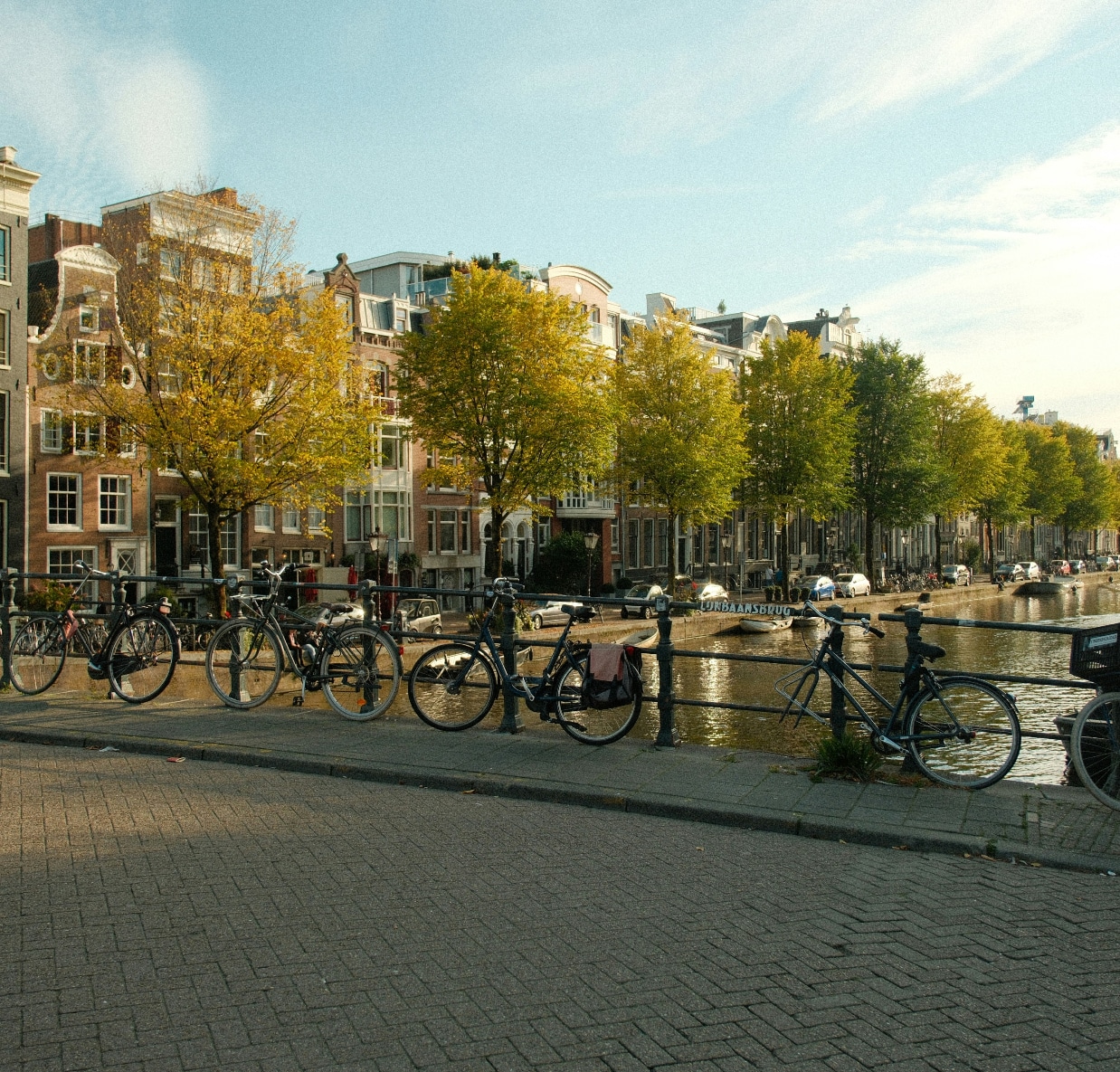
1. What You Need to Know About Visas Before You Work in the Netherlands
Every country has specific visa routes for engineers, each with documents, conditions and processing times. If you’re planning to work in the Netherlands (one of Europe’s leading tech hubs), you may need:
- A Highly Skilled Migrant Visa
- A formal job offer and signed contract confirming your role, salary and start date
- Background and security checks
- And legalised or apostilled documents
What most engineers don’t realise? Visa timelines aren’t quick. They can take weeks (or even months) depending on your country of origin and the complexity of your documentation. Understanding this early removes unnecessary stress and helps set realistic expectations.
2. Compare Your Salary to the Local Cost of Living
Once you understand the visa journey, the next important layer is understanding how far your salary will actually take you. When working abroad, you need to consider the following: housing costs, taxes, mandatory health insurance, transport, grocery prices, and family needs.
To work in the Netherlands comfortably, it’s important to understand that cities like Eindhoven, Utrecht and Amsterdam offer a high quality of life but also come with higher living costs. Which is why smart relocators focus on real-life conditions and not just the salary listed in the offer.
3. Learn the Local Work Culture (It Matters More Than You Think)
Finances aside, the real adjustment often comes with understanding the work culture you’re about to join. Culture shapes the way teams operate, communicate and solve problems. And engineers who start working abroad often say landing the job is the easy part, and that it’s usually the cultural shift that catches them off guard.
In the Netherlands, communication is refreshingly direct – people say what they mean, without the layers of formality you might be used to. And work-life balance? It isn’t a perk. It’s simply how people work here. Logging off on time, taking real breaks and protecting your personal life are the norm, not something you need to apologise for.
So, if you’re planning to work in the Netherlands, this cultural shift is something you’ll feel immediately. Preparing for it in advance makes the integration smoother.
4. Map Out a Realistic Relocation Timeline
And once you understand what the work environment looks like, the next step is knowing what the actual relocation journey involves. Thankfully, most relocations follow a similar path:
1. Start by exploring roles that align with your skills, ambitions and the life you want abroad.
2. Then, move into the interview stage, meet hiring teams, share your experience and get a feel for the culture you may join.
3. Reach the offer stage, align expectations and decide whether the role truly supports your long-term goals.
4. Start the visa process, prepare your documents and understand the timelines and requirements ahead of you.
5. Search for housing, compare neighbourhoods and find a place that fits your lifestyle and budget.
6. Plan your travel, organise paperwork and get everything in place for your move.
7. Arrive and integrate into your new community, settle in and start building your everyday rhythm.
5. Check What Relocation Support Really Means
After mapping out your relocation timeline, it’s just as important to understand the kind of support you’ll have along the way. When you’re applying to work in the Netherlands, relocation packages vary widely. Some companies cover the big things, others cover the basics, and some offer almost nothing at all. Before you commit to working abroad, ask the questions that actually matter:
- “Are the visa costs covered?”
- “Is housing support or temporary accommodation included?”
- “Is there assistance for partners or children?”
- “Who handles document legalisation and international paperwork?”
- “How hands-on is the company throughout the move?”
The truth is, the level of support you receive can shape your entire relocation experience. The good news? Here at Stryda, we remove that uncertainty. We support your relocation with clear guidance and covered essentials, giving you the clarity, confidence and stability you need from day one.
6. Prepare Your Engineering CV for a European Standard
When working abroad (especially in Europe), your CV needs to match local expectations. Dutch employers usually prefer:
- Short, easy-to-scan CVs (ideally 1-2 pages)
- Mention of key achievements, not just responsibilities
- Measurable outcomes that show real impact
- Any international experience or cross-cultural work
- Soft skills such as teamwork, ownership and adaptability
If you’re applying for high-tech or semiconductor roles, it’s important that your CV also demonstrates:
- Precision and attention to detail
- Problem-solving skills
- Leadership in complex systems
- Interdisciplinary collaboration
But here’s the part many engineers forget: your CV should tell the story of how you think, not just what you’ve done. European hiring teams want to understand: how you approach challenges, why you made certain decisions and what your contribution meant to the project.
Adding short context statements can make your experience clearer and more compelling.
Think of your CV as your first step across the bridge to being able to work in the Netherlands or anywhere abroad. A strong, well-crafted CV shows confidence, clarity and readiness – three qualities hiring managers value immediately.
7. Consider Your Quality of Life Beyond the Job
Before you apply to work in the Netherlands, take a moment to look beyond the job title and think about the life you’re stepping into. Consider how the move affects your partner or family, what education options look like if you have children, and whether the lifestyle of your destination truly fits who you are.
Think about whether you’re ready to learn a new language, build a new community, and adapt to a different rhythm of living. Relocation reshapes everything from your daily routine to your long-term ambitions, so giving yourself the space to reflect now can save you emotional strain later. When you prepare for the whole picture (and not just the job), you set yourself up for a transition that feels intentional, grounded and genuinely fulfilling.
What Working Abroad Looks Like With Stryda by Your Side
With so many recruitment agencies out there, it can be hard to know who truly has your back. Engineers looking to work in the Netherlands choose Stryda because we remove the uncertainty from working abroad. We take full financial responsibility for your relocation, match you with roles that fit both technically and personally, and prioritise a people-first approach that supports your life and not just your job title. And our commitment doesn’t end once you land. We stay connected, offering guidance and clarity long after you’ve settled in.
Relocation shouldn’t feel like starting from scratch; it should feel like moving forward with confidence. Take the first step toward a move that supports both your career and your well-being. Explore our open roles and start your journey with Stryda today.